Understanding Climate Zone 3A and Tyler's Unique Humidity Challenges
If you own a home in Tyler, you're living in Climate Zone 3A, a region that experiences moderate to hot summers combined with mild winters and, critically, variable humidity levels. This climate classification matters far more than most homeowners realize because it directly impacts how moisture moves through your home's envelope, affecting everything from your attic to your crawl space.
The humidity patterns in Tyler create a particular challenge: warm, humid air in summer months can infiltrate wall cavities, attic spaces, and crawl spaces, where it may condense on cooler surfaces. Unlike homes in truly dry climates or consistently cold regions, homes in Zone 3A face a dual threat. You need insulation that doesn't just resist heat transfer, but also manages moisture vapor effectively. Traditional fiberglass batts and cellulose, which absorb moisture readily, simply don't perform as well in this environment as modern spray foam solutions do.
Why Crawl Space Insulation Matters More Than You Think
Many homeowners overlook their crawl spaces, treating them as forgotten zones beneath the house. In reality, your crawl space is one of the most critical areas for thermal control and moisture management, especially in Climate Zone 3A. An uninsulated or poorly insulated crawl space allows cold air to rise into your living spaces during winter and allows warm, humid air to enter during summer, forcing your HVAC system to work overtime.
Tyler homeowners who invest in proper crawl space insulation often report immediate comfort improvements and measurable energy savings. The best insulation for crawl space in humid climates is one that creates an air-tight seal while resisting moisture absorption. This is where Closed Cell Spray Foam Insulation becomes invaluable. Unlike batts or rolls that can trap moisture between layers, closed cell foam has a vapor barrier built into its structure, preventing humidity from penetrating and causing mold growth or structural damage over time.
Crawl Space Spray Foam vs. Traditional Insulation Methods
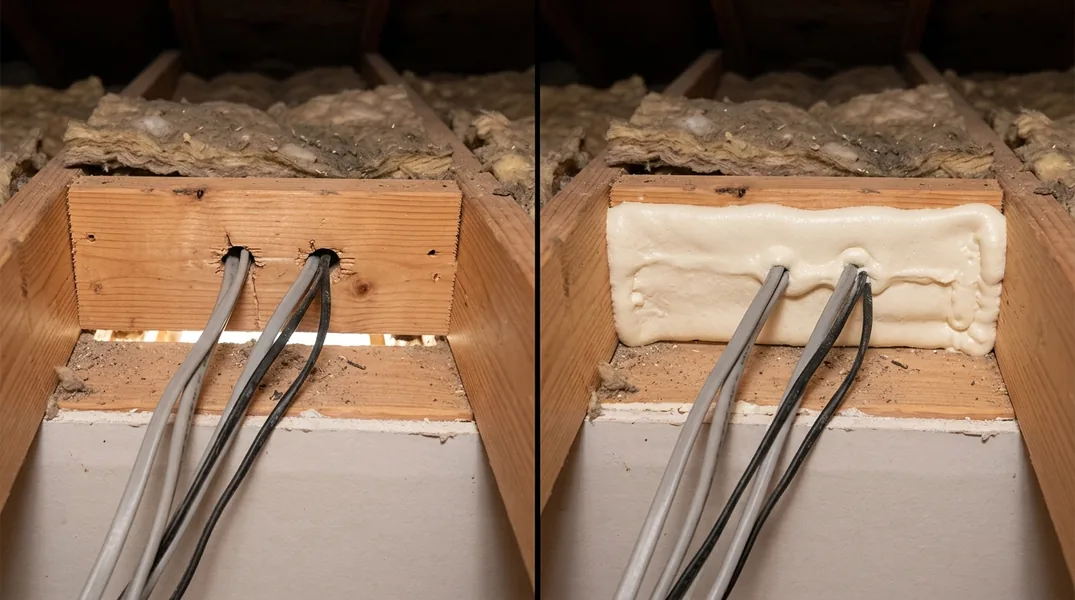
Crawl space spray foam represents a significant advancement over the fiberglass and mineral wool batts that dominated insulation for decades. When spray foam is applied to crawl space walls and rim joists, it expands to fill every crack, crevice, and gap, creating a continuous thermal and moisture barrier. This monolithic seal is impossible to achieve with traditional batts, which leave gaps around pipes, electrical penetrations, and irregular surfaces where air and moisture can freely move.
The humidity management advantage is substantial. In Climate Zone 3A, where seasonal moisture swings are common, closed cell spray foam's impermeability prevents water vapor from migrating into wall cavities where condensation could occur. Additionally, if your crawl space has a concrete floor prone to dampness, spray foam insulation on the walls and rim joist works in concert with proper drainage and vapor barriers on the floor to create a comprehensive moisture control system. Many homeowners also notice that their cold floors insulation problems disappear once their crawl space is properly sealed with spray foam, because the thermal bridge between the ground and living spaces is effectively interrupted.
Pier and Beam Insulation: A Special Consideration for Tyler Homes
Older homes in the Tyler area, particularly those built on pier and beam foundations, face unique insulation challenges. These homes typically have open crawl spaces underneath, with significant air gaps between the floor joists and the earth below. During hot, humid summers, this open space becomes a conduit for warm, moist air to rise directly into your home, undermining your air conditioning efforts and creating ideal conditions for mold and mildew growth.
Pier and beam insulation with spray foam is one of the most effective solutions for these older homes. By insulating the underside of the floor joists and sealing the rim board, you create a thermal break that keeps your floors warmer in winter and cooler in summer, while simultaneously preventing humid air from entering your living spaces. Homeowners with pier and beam foundations often benefit from combining spray foam insulation with proper ventilation or encapsulation strategies tailored to Zone 3A's moisture profile. This approach addresses both the comfort and structural longevity of the home.
How Closed Cell Spray Foam Handles Zone 3A Humidity
Closed Cell Spray Foam Insulation is engineered specifically to resist moisture vapor transmission, making it the ideal choice for humid climates like ours. The closed cell structure means that water vapor cannot pass through the foam itself, preventing the condensation issues that plague traditional insulation in variable climates. This property is crucial in Climate Zone 3A, where temperature and humidity can fluctuate significantly between seasons.
Beyond vapor resistance, closed cell foam also provides superior structural support and air sealing. When applied to crawl space walls, it can actually strengthen the rim board by bonding to it, improving the home's overall structural integrity. It also resists pest infiltration better than open cell alternatives, which is an important secondary benefit in East Texas. For homeowners concerned about long-term durability and performance, closed cell spray foam delivers measurable advantages that justify the investment over the lifespan of the home.
Getting a Professional Assessment and Free Estimate
Every home in Tyler has unique insulation needs based on its age, construction type, current condition, and how it's being used. The best way to determine whether your crawl space, pier and beam foundation, or other areas need spray foam insulation is to have a qualified professional evaluate your home. Tyler Spray Foam Insulation offers a comprehensive assessment that takes into account your home's specific vulnerabilities to moisture and heat transfer in Zone 3A.
If you're experiencing cold floors, high energy bills, or signs of moisture in your crawl space, now is the time to reach out. Contact Tyler Spray Foam Insulation at (430) 205-3083 or request a free estimate to learn how spray foam insulation can improve your home's comfort and efficiency. Our team will walk you through the options, explain the pricing for your specific situation, and help you make an informed decision that protects your investment for years to come.
Looking for a professional spray foam insulation contractor in Tyler? Tyler Spray Foam Insulation responds fast for all your spray foam insulation needs.
Get a Free Quote