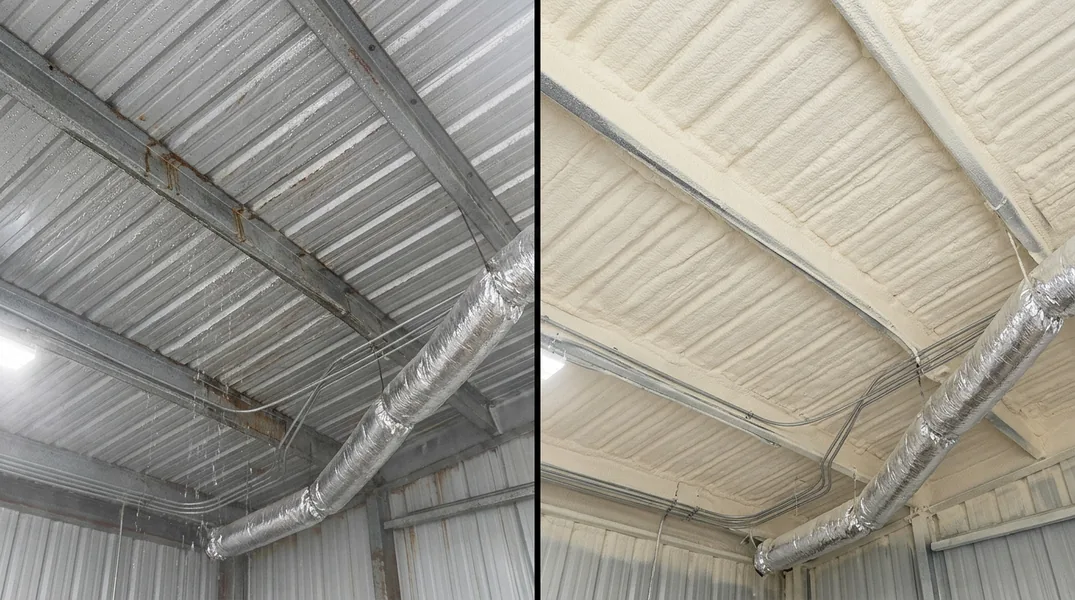
Understanding Slab-on-Grade Ranches and Attic Insulation Failure
Slab-on-grade construction is common throughout Tyler, especially in ranch-style homes built from the 1950s onward. This building method places the foundation directly on the ground without a basement or crawl space, which offers cost savings and simplicity. However, slab-on-grade homes present unique challenges for attic insulation performance over time.
One of the most frustrating problems homeowners face is insulation settling and flattening. Traditional materials like blown-in cellulose and fiberglass batts compress under their own weight, moisture infiltration, and temperature fluctuations. When insulation flattens, its R-value (thermal resistance) drops dramatically, leaving your attic unable to regulate temperature effectively. This means your heating and cooling systems work harder, energy bills climb, and your home's comfort suffers. The question then becomes: what's the best insulation for attic spaces in homes that experience this kind of settling?
Spray Foam vs Blown In Insulation: Why Settlement Matters
The comparison between Attic Spray Foam Insulation and blown-in insulation is especially relevant for slab-on-grade ranches. Blown-in insulation, whether cellulose or fiberglass, relies on loose particles to trap air. Over time, these particles settle due to gravity, vibration from HVAC systems, and even normal house movement. In Tyler's climate with temperature swings and occasional humidity, this settling accelerates. A 6-inch layer of blown-in insulation can compress to 4 inches or less within a decade, reducing its thermal performance by 20 to 30 percent or more.
Spray foam, by contrast, expands and hardens into a rigid or semi-rigid foam that resists settling. Once cured, it maintains its R-value year after year. The foam adheres to framing members and fills gaps that blown-in materials leave behind, creating a continuous thermal barrier. This permanence is why spray foam vs blown in insulation debates often favor spray foam for long-term performance in attics prone to settling and air leakage.
Spray Foam vs Fiberglass: Durability and Moisture Control
Fiberglass batts are affordable and easy to install, which explains their popularity in older ranch homes. However, fiberglass has significant limitations in attics. It absorbs moisture readily, which degrades its insulating value and can promote mold growth in humid conditions. Fiberglass also leaves thermal bridges where studs and joists contact the material, allowing heat transfer straight through the insulation. When you weigh spray foam vs fiberglass, the durability advantage goes to spray foam.
Closed Cell Spray Foam Insulation is especially effective in attics because it creates an air-tight seal and resists moisture infiltration. Unlike fiberglass, closed-cell foam maintains its R-value even if exposed to humidity. It also provides structural reinforcement to roof assemblies and resists settling indefinitely. Homeowners in slab-on-grade ranches who upgrade from fiberglass to spray foam often report noticeably warmer winters, cooler summers, and stable energy bills year after year.
Spray Foam vs Cellulose: The Settlement and Performance Gap
Cellulose is an eco-friendly option made from recycled paper, and it has decent initial R-value. However, spray foam vs cellulose comparisons reveal a critical weakness in cellulose: it settles faster than fiberglass. Cellulose particles are lighter and smaller, so gravity pulls them downward more aggressively. In attics of slab-on-grade homes where temperature and humidity fluctuate, cellulose can lose 10 to 15 percent of its R-value within five years. Additionally, cellulose is treated with fire retardants that can become less effective over time, and it absorbs moisture more readily than fiberglass.
Spray foam, whether open-cell or closed-cell, does not settle and does not absorb moisture. It expands to fill every cavity and crevice, eliminating the air gaps that cellulose leaves behind. For homeowners committed to long-term energy efficiency and comfort in their ranch homes, spray foam represents the best insulation for attic spaces where durability and performance matter most.
Attic Spray Foam Insulation Near Me: When to Call a Professional
If you own a slab-on-grade ranch in Tyler and suspect your attic insulation has settled or compressed, it is time to call a professional. Signs include uneven temperatures between rooms, higher-than-normal heating and cooling bills, drafts near the attic hatch, and visible compression of insulation material when you look into the attic. A qualified spray foam contractor can assess your current insulation, identify air leaks, and recommend whether a full replacement with spray foam makes sense for your home.
Tyler Spray Foam Insulation specializes in attic retrofits for homes just like yours. Our team understands the specific challenges slab-on-grade ranches face and can design a spray foam solution tailored to your attic's dimensions and condition. We use both open-cell and closed-cell spray foam depending on your needs, moisture concerns, and budget. To schedule a free estimate and discuss your options, contact us today at (430) 205-3083.
Attic Spray Foam Insulation Cost in Tyler: What to Budget
Cost is always a consideration for homeowners. Spray foam typically costs more upfront than blown-in insulation or fiberglass batts, but the long-term value often justifies the investment. Blown-in insulation might cost $0.50 to $1.50 per square foot, while spray foam ranges from $1.50 to $3.50 per square foot depending on whether you choose open-cell or closed-cell formulations. For a typical 1,500-square-foot attic, blown-in insulation might run $750 to $2,250, whereas spray foam could range from $2,250 to $5,250.
However, when you factor in energy savings over 10 to 20 years, the cost difference narrows significantly. Spray foam maintains its R-value and prevents air leakage, so your HVAC system runs more efficiently month after month. Many homeowners recover their spray foam investment through lower utility bills within 5 to 10 years. For detailed pricing based on your specific attic size and condition, reach out to Tyler Spray Foam Insulation. We offer transparent estimates with no hidden fees, so you know exactly what to expect before work begins.
Looking for a professional spray foam insulation contractor in Tyler? Tyler Spray Foam Insulation responds fast for all your spray foam insulation needs.
Get a Free Quote