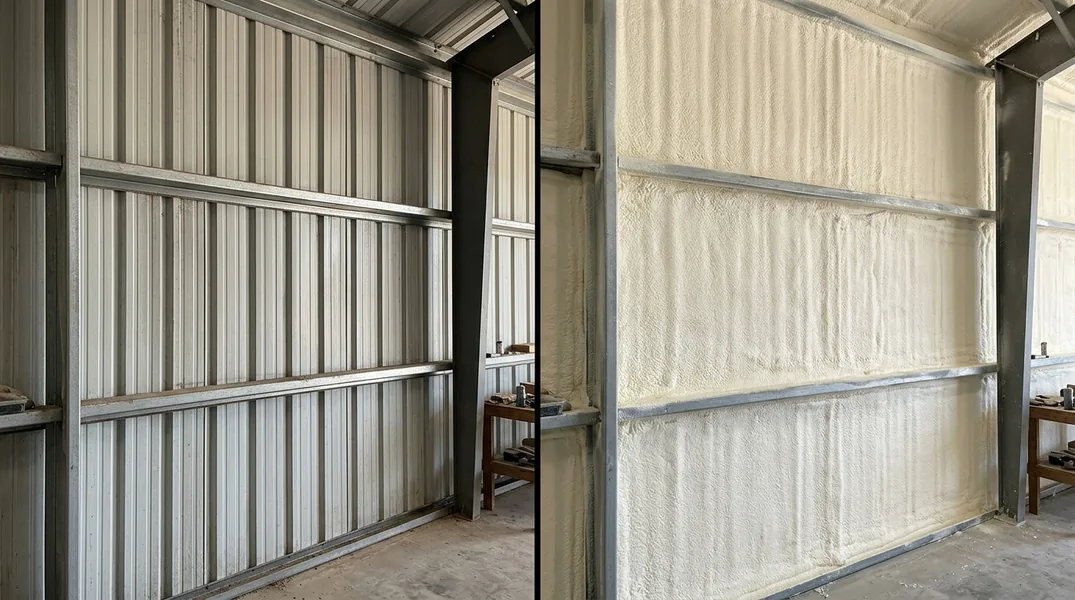
Understanding Spray Foam Insulation Types
When it comes to insulating your attic, attic spray foam insulation has become one of the most effective solutions for homeowners in Tyler and surrounding areas. However, not all spray foam is created equal. The two primary types available are open cell and closed cell spray foam, and understanding the differences between them is crucial to making the right choice for your home.
Open cell spray foam is a lighter, more flexible material that expands significantly after application. It has a lower density and creates a softer, more permeable barrier. Closed cell spray foam, by contrast, is denser and more rigid, forming a tighter seal with superior moisture resistance. Both types offer excellent insulation properties, but they excel in different situations and come with distinct advantages and drawbacks that homeowners should carefully consider before making a decision.
Open Cell Spray Foam: Benefits and Drawbacks
Open Cell Spray Foam Insulation is an excellent choice for many homeowners because of its affordability and sound-dampening properties. The material expands to fill gaps and cavities, providing an impressive R-value of approximately 3.5 to 3.6 per inch. This means you get solid thermal resistance without needing an extremely thick application. Additionally, open cell foam is an air barrier that helps reduce drafts and air infiltration, which is particularly valuable in older homes throughout Tyler that may have numerous gaps and cracks in the attic structure.
One of the standout advantages of open cell foam is its ability to absorb sound, making it an ideal choice for homeowners who want to reduce noise transmission from their attic or from outside. It's also more flexible than closed cell foam, which means it can accommodate minor structural movements without cracking. However, open cell foam is vapor-permeable, meaning it allows moisture to pass through. This characteristic makes it less suitable for areas with high humidity or where moisture control is critical. For attic applications, this means you'll need to ensure proper ventilation or use a vapor barrier in conjunction with the foam to prevent moisture-related issues.
Closed Cell Spray Foam: Superior Protection and Performance
Closed Cell Spray Foam Insulation is the premium option for homeowners seeking maximum thermal resistance and moisture protection. With an R-value of 6 to 7 per inch, closed cell foam provides nearly double the insulation value of open cell foam in the same thickness. This superior performance makes it ideal for creating a sealed attic insulation system that can handle the demanding climate conditions that Tyler experiences throughout the year.
The closed-cell structure creates a vapor barrier, which means moisture cannot penetrate the foam. This is particularly advantageous for attic applications because it helps prevent condensation issues, mold growth, and wood rot that can compromise your home's structural integrity. Additionally, closed cell foam adds structural rigidity to your attic, which can actually strengthen your roof system. For homeowners interested in creating an unvented attic spray foam system, closed cell foam is often the preferred choice because it can serve as both an insulator and an air barrier simultaneously. The primary trade-off is cost, as closed cell foam typically runs 20 to 30 percent higher than open cell alternatives.
Climate Considerations for Tyler Homeowners
Tyler's climate plays a significant role in determining which spray foam type is best for your attic. The area experiences hot, humid summers and mild winters, with occasional temperature fluctuations that can create condensation risks in poorly insulated attics. The humidity levels, particularly during summer months, make moisture control a genuine concern for homeowners looking to protect their investment.
For these climate conditions, closed cell spray foam often proves to be the more reliable choice because its vapor-impermeable nature prevents moisture from accumulating in your attic space. The superior R-value also means your cooling system won't have to work as hard during hot months, potentially reducing your energy bills. However, if your attic is properly ventilated and you're primarily concerned with thermal resistance and sound reduction rather than moisture control, open cell foam can still be an effective and more budget-friendly solution. The key is understanding your specific attic conditions, roof design, and ventilation strategy before making a final decision.
Attic Spray Foam Insulation Cost in Tyler: What to Budget
Cost is naturally a major factor when deciding between open cell and closed cell spray foam. Open cell foam typically costs between $0.40 and $0.70 per board foot, while closed cell foam ranges from $0.75 to $1.50 per board foot, depending on the specific product and application requirements. For a typical attic project in Tyler, open cell applications might run $1,500 to $3,000, while closed cell projects could range from $3,000 to $6,000 or more, depending on square footage and thickness.
While the upfront pricing for closed cell foam is higher, many homeowners find the investment worthwhile because of the superior energy efficiency, moisture protection, and longevity. Closed cell foam can last 80 years or more without significant degradation, whereas open cell foam may require maintenance or replacement sooner if moisture issues develop. Additionally, the energy savings from closed cell foam's superior R-value can offset the initial cost difference over time, particularly in a climate like Tyler's where air conditioning demands are substantial during summer months. To understand exactly what your project will cost and which option offers the best return on investment for your specific situation, it's wise to get a free estimate from Tyler Spray Foam Insulation.
Making Your Final Decision: Which Foam Is Right for You
Choosing between open cell and closed cell spray foam ultimately depends on your priorities, budget, and specific attic conditions. If you're primarily focused on thermal insulation, sound reduction, and cost savings, open cell foam is a solid choice that will improve your home's comfort and energy efficiency. It works particularly well in properly ventilated attics where moisture isn't a significant concern and where you're willing to monitor conditions over time.
If you want maximum protection, superior moisture resistance, and the highest possible R-value, closed cell foam is the investment-grade solution. It's especially recommended for homeowners creating an unvented attic system or those in areas prone to humidity and moisture issues. Regardless of which type you choose, working with experienced professionals ensures proper installation, which is critical to achieving the performance benefits you're paying for. The team at Tyler Spray Foam Insulation has the expertise to assess your attic, discuss the pros and cons of each option, and recommend the solution that best matches your needs and budget. Contact us at (430) 205-3083 or request a free estimate today to get started on your attic insulation project.
Looking for a professional spray foam insulation contractor in Tyler? Tyler Spray Foam Insulation responds fast for all your spray foam insulation needs.
Get a Free Quote