Understanding Pier-and-Beam Construction in the Charnwood District
Homes in the Charnwood District of Tyler often feature pier-and-beam construction, a building method that elevates the home on concrete piers rather than using a traditional concrete slab foundation. This architectural style offers flexibility and easier access to plumbing and electrical systems, but it creates a unique challenge when it comes to insulation. The open space beneath the home, known as the crawl space, becomes a critical area for temperature control and energy efficiency.
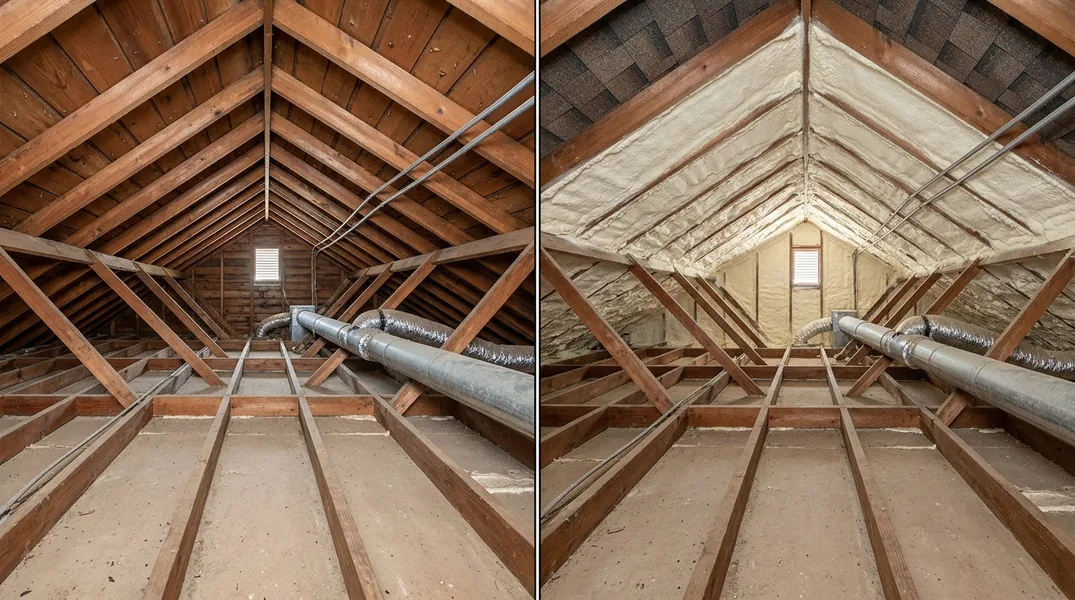
Unlike homes built on slabs, pier-and-beam structures leave the underside of the home exposed to outdoor temperatures, moisture, and pests. This means your heating and cooling systems work harder to maintain comfortable indoor temperatures, especially during Tyler's hot summers and occasional cold snaps. Proper insulation of the crawl space and rim joists is essential to prevent energy loss, reduce utility bills, and protect the structural integrity of your home. Many homeowners in Charnwood have discovered that Attic Spray Foam Insulation and crawl space foam solutions offer superior performance compared to traditional fiberglass batts or blown-in cellulose.
Is Spray Foam Insulation Worth It for Your Pier-and-Beam Home
When evaluating whether spray foam insulation is worth the investment, homeowners should consider both upfront costs and long-term savings. Closed Cell Spray Foam Insulation delivers an R-value of approximately 6 to 7 per inch, significantly outperforming fiberglass batts at 3.2 to 3.8 per inch. For pier-and-beam homes with large crawl spaces, this superior insulating power means you can achieve better thermal performance with less material, potentially reducing the overall thickness needed and saving on material costs.
The real value of spray foam extends beyond raw R-value numbers. Spray foam creates an air-sealed barrier that blocks drafts, moisture infiltration, and pest entry. In the humid climate of East Texas, this moisture barrier is invaluable. Traditional insulation materials can absorb and retain moisture, leading to mold growth, wood rot, and structural damage. Spray foam's closed-cell structure resists moisture absorption, protecting your home's framing and foundation support posts. When you factor in reduced energy bills, fewer HVAC repairs, improved indoor air quality, and extended structural lifespan, spray foam often pays for itself within 5 to 10 years. For homeowners planning to stay in their Charnwood home long-term, the investment typically makes strong financial sense.
Is Spray Foam Insulation Safe: Addressing Common Concerns
Safety concerns about spray foam insulation are common, and understanding the facts helps homeowners make confident decisions. When installed by certified professionals using proper equipment and techniques, spray foam is safe for residential use. The U.S. Environmental Protection Agency (EPA) has reviewed spray foam products and determined that polyurethane foam insulation is safe when applied according to manufacturer specifications and industry standards. Professional installers at Tyler Spray Foam Insulation follow all safety protocols to ensure your home remains protected throughout the installation process.
The key to safety lies in proper installation and curing. During application, the chemical reaction that creates the foam requires ventilation and protective equipment for installers. However, once fully cured, which typically takes 24 to 48 hours, the foam becomes inert and poses no health risk to occupants. Your home should be evacuated during installation, and adequate ventilation should be maintained until the foam has completely cured. Professional installers provide clear guidance on re-entry timing and any precautions needed. Homeowners should always work with licensed, experienced contractors who understand local building codes and safety requirements for spray foam installation in pier-and-beam applications.
Spray Foam Off Gassing and Long-Term Air Quality
One specific safety question homeowners ask is about spray foam off gassing. Off gassing refers to the release of volatile organic compounds (VOCs) during and shortly after application. This is a real phenomenon, but it's manageable with proper installation practices. High-quality spray foam products have low VOC formulations, and professional installation ensures adequate ventilation during the curing period. The off gassing period is typically most intense during the first 24 hours and diminishes significantly within 48 to 72 hours as the foam cures completely.
After the foam has fully cured, off gassing is minimal to non-existent. The foam becomes a stable, solid material that does not continue releasing chemicals into your home. If you're concerned about air quality during installation, discuss ventilation strategies with your contractor before work begins. Many homeowners choose to stay with family or friends during the installation and initial curing period, which eliminates any exposure concerns entirely. When installed in crawl spaces and attics rather than living areas, off gassing poses even less concern since these spaces are typically not occupied. Professional installers can also apply protective sealants or barriers if additional precaution is desired, further minimizing any potential VOC exposure in your living spaces.
Spray Foam Insulation Problems and How to Avoid Them
While spray foam offers excellent insulation performance, certain problems can occur if installation is not done correctly. One common issue is improper application thickness, which results in inadequate insulation coverage or wasted material. Another problem is inadequate ventilation during installation, which can lead to incomplete curing or off gassing concerns. Poor quality control during application can also result in voids or gaps in the foam layer, reducing effectiveness. Additionally, if spray foam is applied over wet surfaces or in high-moisture conditions, adhesion problems or mold growth can develop beneath the foam.
The best way to avoid spray foam problems is to hire a reputable, certified contractor with proven experience in pier-and-beam insulation. Tyler Spray Foam Insulation brings years of local expertise to every project, ensuring proper surface preparation, correct application techniques, and thorough quality inspections. We assess moisture conditions, prepare crawl spaces appropriately, and apply foam using industry-best practices. Choosing an experienced local contractor eliminates most potential problems before they start. If you're considering spray foam for your Charnwood home, get a free estimate from a qualified professional who can evaluate your specific situation and recommend the best solution.
Spray Foam Insulation Pros and Cons: A Balanced Comparison
Understanding both advantages and disadvantages helps you make an informed decision about spray foam for your pier-and-beam home. The pros are substantial: superior R-value per inch, excellent air sealing properties, moisture resistance, pest deterrent qualities, long lifespan (50+ years), reduced energy bills, and improved comfort. Spray foam conforms to irregular spaces and rim joists, eliminating the gaps that traditional insulation leaves behind. For pier-and-beam homes with complex crawl space layouts, this adaptability is a major advantage.
The cons warrant consideration as well. Spray foam has higher upfront costs than fiberglass or cellulose insulation. Installation requires specialized equipment and trained professionals, so DIY application is not practical. Some homeowners have concerns about off gassing, though proper installation minimizes this issue significantly. Spray foam is also permanent, so if future access or modifications are needed, removal is difficult and costly. Additionally, not all spray foam products are created equal, and choosing a low-quality product or inexperienced installer can lead to problems. Despite these drawbacks, most homeowners in Tyler find that the long-term benefits of spray foam insulation outweigh the initial investment, particularly for pier-and-beam homes where air sealing and moisture control are critical.
Getting Started with Spray Foam Insulation Near Me: Next Steps
If you're ready to improve your pier-and-beam home's insulation, the first step is scheduling a professional assessment. A qualified contractor can evaluate your crawl space, identify moisture issues, assess current insulation conditions, and recommend whether Closed Cell Spray Foam Insulation or Open Cell Spray Foam Insulation best suits your needs. Closed cell foam offers superior R-value and moisture resistance, making it ideal for humid East Texas conditions. Open cell foam is less dense and more affordable, working well in drier applications or when budget is a primary concern.
Tyler Spray Foam Insulation serves homeowners throughout the Tyler area, including the Charnwood District and surrounding communities. We provide detailed pricing information based on your specific project scope, timeline, and material selections. To discuss your home's insulation needs and receive a personalized recommendation, call us at (430) 205-3083 or visit our website for a free estimate. Our team is ready to help you achieve better energy efficiency, comfort, and long-term home protection through professional spray foam insulation installation.
Looking for a professional spray foam insulation contractor in Tyler? Tyler Spray Foam Insulation responds fast for all your spray foam insulation needs.
Get a Free Quote