Understanding Open Cell vs. Closed Cell Spray Foam
When you're ready to hire a spray foam contractor in Tyler, one of the most important distinctions you'll encounter is the difference between Open Cell Spray Foam Insulation and Closed Cell Spray Foam Insulation. These two types of spray foam perform differently and serve different purposes, so understanding the basics will help you make an informed decision for your home.
Open cell spray foam has a softer, more flexible structure with cells that are not completely sealed. This type of foam is lighter and typically less expensive, making it a popular choice for homeowners looking for a cost-effective insulation solution. Open cell foam is also excellent for sound dampening and allows moisture vapor to pass through, which can be beneficial in certain climates. However, it generally has a lower R-value per inch compared to closed cell options, meaning you may need to apply a thicker layer to achieve the same insulation performance.
Closed cell spray foam, on the other hand, features cells that are completely sealed and tightly packed together. This denser structure makes closed cell foam more rigid and provides superior moisture resistance and air sealing capabilities. The closed cell spray foam R value is significantly higher per inch, typically ranging from 6.0 to 7.0 R-value per inch, compared to open cell's 3.5 to 3.6 R-value per inch. This superior performance makes closed cell ideal for attics, crawl spaces, and areas exposed to moisture.
What Questions Should You Ask About Spray Foam R-Value?
Before your contractor begins work, you need to understand exactly what Attic Spray Foam Insulation performance you're paying for. The closed cell spray foam R value and overall spray foam R value are critical metrics that determine how well your insulation will perform. Ask your contractor to specify the exact R-value per inch for the product they plan to use, and then calculate the total R-value based on the thickness they recommend for your attic space.
You should also ask whether the recommended R-value meets or exceeds current building codes for your area in Tyler. Different regions have different insulation requirements based on climate zones, and your contractor should be familiar with local standards. Additionally, inquire about how the R-value holds up over time. Quality spray foam maintains its thermal resistance for decades, but it's important to confirm this with your contractor and understand any warranties they offer regarding R-value retention.
Another crucial question concerns the application thickness needed to achieve your target R-value. If your contractor recommends an unusually thick application or seems vague about the relationship between thickness and R-value, that's a red flag. A professional contractor will provide detailed specifications and explain exactly how many inches of foam will be applied and what final R-value that will deliver.
Attic Spray Foam Insulation Cost in Tyler: What to Budget
Understanding the pricing for spray foam insulation is essential for budgeting your home improvement project. The cost of Attic Spray Foam Insulation varies based on several factors, including the type of foam selected, the square footage of your attic, the desired R-value, and the complexity of your space. Before any work begins, always request a detailed quote that breaks down these costs clearly.
When comparing pricing from different contractors, make sure you're comparing apples to apples. Two quotes that look similar at first glance might differ significantly in what they actually include. One contractor might quote a lower price per square foot but plan to apply thinner foam, resulting in a lower final R-value. Another might include air sealing, vapor barriers, or additional preparation work in their price. Ask each contractor to specify the exact product brand, the thickness in inches, the final R-value, and any additional services included in their quote.
Be cautious of prices that seem significantly lower than competitors, as this can indicate corners being cut on material quality or application standards. Conversely, the most expensive option isn't always the best value. Tyler Spray Foam Insulation offers competitive pricing that reflects quality materials and professional installation. To get an accurate estimate for your specific situation, contact Tyler Spray Foam Insulation at (430) 205-3083 or request a free estimate online.
Verify Licensing, Insurance, and Certifications
Before hiring any contractor to work on your home, you need to verify that they hold the proper licensing and insurance. Ask your potential spray foam contractor for proof of a current contractor's license and liability insurance. This protects both you and the contractor in case of accidents or property damage during the installation process. A reputable contractor will readily provide this information without hesitation.
Beyond basic licensing, inquire about specific certifications related to spray foam installation. Many manufacturers offer certification programs to ensure contractors meet industry standards for application and safety. Ask whether your contractor has completed training from the foam manufacturer and maintains current certifications. This is particularly important because improper spray foam application can lead to problems like inadequate coverage, uneven density, or improper curing, all of which compromise the insulation's performance.
You should also ask about the contractor's experience with homes similar to yours and request references from recent projects. Speaking directly with previous customers can give you valuable insight into the contractor's professionalism, punctuality, and the quality of their finished work. Don't hesitate to follow up on these references or ask to see before-and-after photos of completed projects in your area.
Understanding the Application Process and Timeline
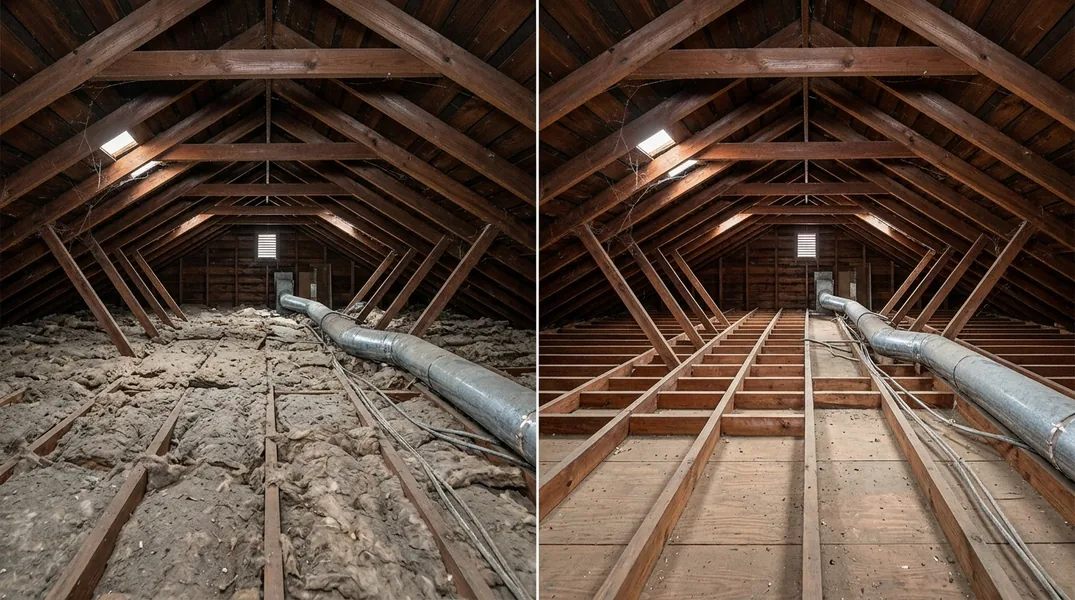
Ask your contractor to walk you through their application process step by step. A thorough explanation demonstrates that they understand their craft and take pride in their work. The process typically begins with preparation, which includes sealing air leaks, removing any existing insulation if necessary, and protecting areas that shouldn't be sprayed. Ask whether your contractor includes this preparation in their quote and how long it will take.
During the actual spray foam application, your contractor should explain how they'll ensure even coverage and proper density. For attic work, ask about ventilation requirements and whether they'll install baffles to maintain proper airflow between the foam and your roof. The curing time for spray foam varies depending on temperature and humidity, so ask how long your attic will be off-limits after application and when you can expect full performance from the insulation.
Understanding the timeline helps you plan accordingly. Ask how many days the project will take, whether they'll need access to your attic on multiple days, and if there are any weather conditions that might delay the work. A professional contractor will provide a realistic timeline and communicate clearly if circumstances change during the project.
Questions About Ventilation, Moisture, and Long-Term Performance
One critical question many homeowners forget to ask concerns ventilation and moisture management. If you're installing spray foam in your attic, ask your contractor how they'll maintain proper ventilation. Improper ventilation can lead to moisture accumulation, which damages roof decking and framing. Some contractors will install baffles or vents to ensure air can still circulate, while others might recommend a fully sealed attic approach. Both methods have merit in different situations, so understand which approach your contractor recommends and why.
Ask about moisture management and vapor barriers. Depending on your climate and whether you're using open cell or closed cell foam, you may need additional vapor protection. Your contractor should explain how they'll handle moisture concerns specific to your home and location in Tyler. They should also discuss any maintenance requirements going forward and what you should monitor to ensure your insulation continues performing well.
Finally, ask about warranties and guarantees. What does the manufacturer guarantee regarding R-value retention and product durability? Does the contractor offer a workmanship warranty? Understanding these protections gives you peace of mind knowing you're covered if issues arise. When you're ready to move forward with a professional contractor you can trust, contact Tyler Spray Foam Insulation at (430) 205-3083 or request a free estimate to discuss your specific needs.
Looking for a professional spray foam insulation contractor in Tyler? Tyler Spray Foam Insulation responds fast for all your spray foam insulation needs.
Get a Free Quote